
Cyber Security Services / Pillar 1 of 4
User, Identity & AuthenticationIdentity & access management services.
Multi-factor authentication, conditional access, and privileged account controls that stop credential-based attacks before they ever reach your systems.
Get in touch
Fill out the form and one of our security specialists will be in touch. No hard sales, just honest advice.
Three things this pillar controls.
User, Identity & Authentication covers three core areas, and the security built around each of them.
Authentication
Validating credentials to confirm the person trying to access a resource is who they say they are.
Authorisation
Verifying that a successfully authenticated user is allowed to access the resource or complete the action they're requesting.
Accounting
Recording authentication and authorisation attempts, successful or not, for auditing, analysis, and investigating attacks.
of basic web application attacks involved the use of stolen credentials
of breaches used compromised credentials as the initial point of access
Credential compromise remains the single most common way attackers get in
A five-level maturity model.
Rather than a one-size-fits-all checklist, we benchmark your identity security against five maturity levels, so you know exactly where you stand today. Talk to us to find out how we'd help you close the gap to the next one.
1Level 1: The basics, done everywhere
Protects your most valuable assets from the simplest attacks. Not sufficient on its own, but quick and easy to put in place while you plan for more.
Benchmarks
- Additional authentication factor for mailbox access and cloud document storage
- Best-practice password policy on any on-premises Active Directory (lockout, complexity, age)
2Level 2: Controlled and consistent
Builds the business processes that keep accounts controlled and managed properly, with policies that apply universally rather than depending on individual configuration.
Benchmarks
- Starter, mover and leaver processes with explicit approval for access changes
- Policy-based authentication enforced universally, not per-user
- Clear control over who can approve access, changes, or removals
- Extra restrictions on externally accessible privileged accounts
3Level 3: Detecting and stopping compromise
Introduces technology to detect compromise automatically, and addresses the most overlooked attack surface of all: your own people.
Benchmarks
- Security awareness training covering phishing, password hygiene, social engineering, and data handling
- 24/7 automated or SOC-based detection of unusual sign-ins
- Dark web monitoring for leaked credentials
- MFA that can't be easily bypassed (SMS alone isn't enough)
4Level 4: Broader and more active
Extends these controls to more applications, and moves from automated tools to SOC-based monitoring that can catch more complex attacks.
Benchmarks
- Single sign-on for externally accessible core business applications
- 24/7 SOC-based (not just automated) detection of unusual sign-ins
5Level 5: Tailored to you
By this stage, your approach should be tailored specifically to the risks your organisation actually faces, not a generic template. We'll work through what that looks like with you directly.
Identity security, managed end to end.
We meet you wherever you currently sit on the maturity model and build you up from there, with the right mix of the following.
- Multi-factor authentication
- Conditional access policies
- Privileged access management
- Starter, mover, leaver automation
- Dark web credential monitoring
- Single sign-on (SSO)
- Identity threat detection & response
- Security awareness training
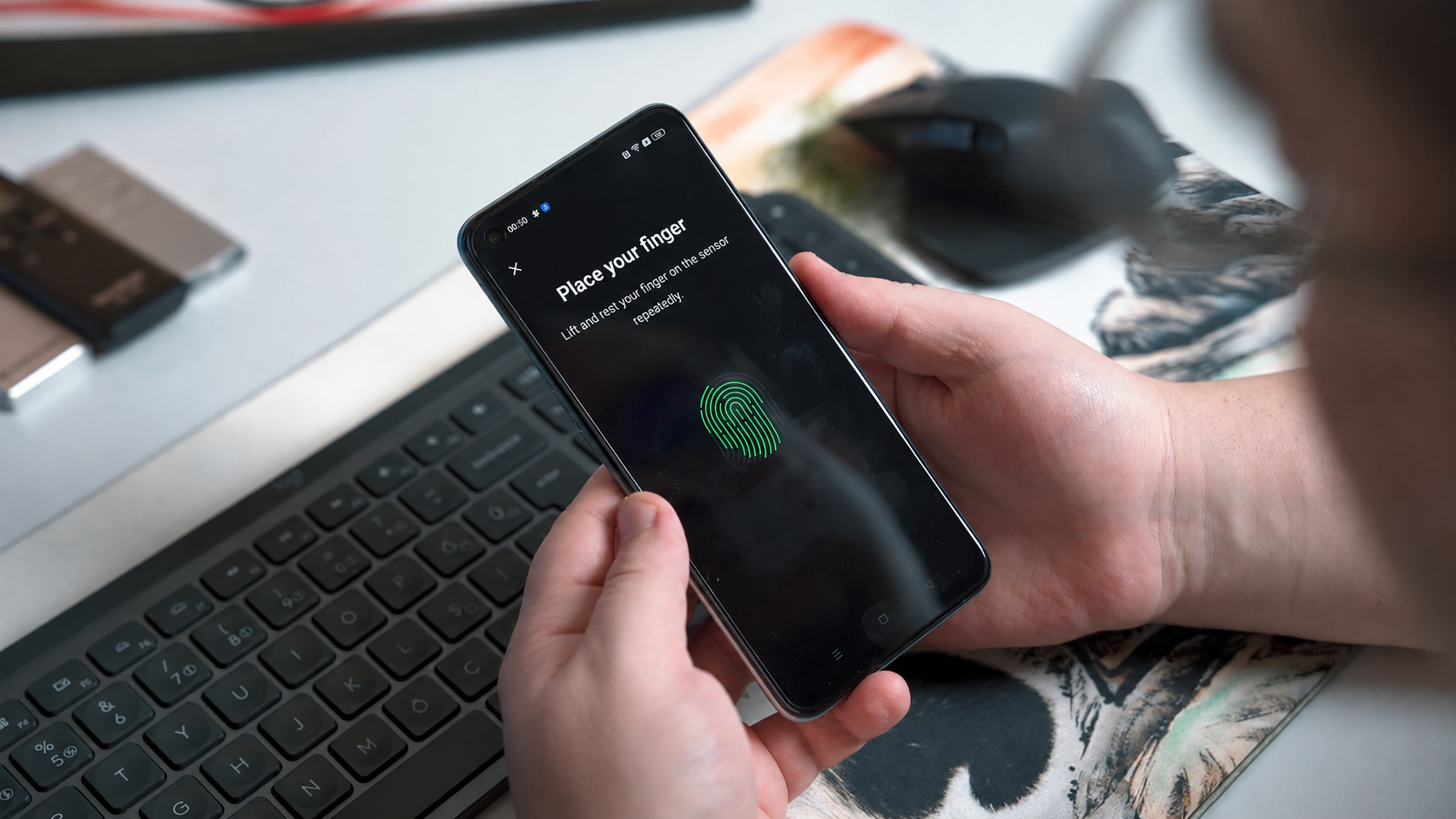
Access security done properly.
Benchmarked, not guessed
You'll know exactly which of the five maturity levels you're at today, and precisely what closes the gap to the next one.
24/7 identity monitoring
Unusual sign-ins are detected and investigated around the clock, not just during office hours.
Standalone or bundled
Available on its own or as part of our wider four-pillar cyber security service, whatever fits your business.
Identity & access: common questions.
What is identity and access management?
Identity and access management (IAM) is the set of processes and technologies that confirm who a user is (authentication) and control what they're allowed to do once they're in (authorisation), covering everything from logins and MFA to who can approve access to sensitive systems.
What is multi-factor authentication?
Multi-factor authentication (MFA) requires more than just a password to sign in, typically a code from an app or a prompt on your phone, so a stolen password alone isn't enough for an attacker to get access.
What is privileged access management?
Privileged access management (PAM) applies extra controls, such as session time limits and location restrictions, to your highest-risk accounts (like IT admins), since these are the accounts attackers target first.
Why do we need identity and access management?
Credential compromise remains the most common way attackers get into a business, involved in 88% of basic web application attacks (Verizon 2025 Data Breach Investigations Report). Strong IAM controls close off that route.
How does single sign-on work?
Single sign-on (SSO) lets a user log in once and access multiple approved applications without signing in separately to each one, reducing password fatigue while keeping access centrally controlled and auditable.
What is passwordless authentication?
Passwordless authentication replaces the password entirely, using a security key, biometric, or authenticator app instead, removing the risk of a stolen or guessed password being used to gain access.